
The Agentic Wild West
Building autonomous agents is now trivial. Building them so they don't burn down the business is not. The tooling is a mess of one-off Python scripts, runaway API calls, and zero governance—a completely untenable state for any serious enterprise deployment. We're past the novelty of "what if" and firmly in the messy middle of "how to do this without creating a security and compliance nightmare."
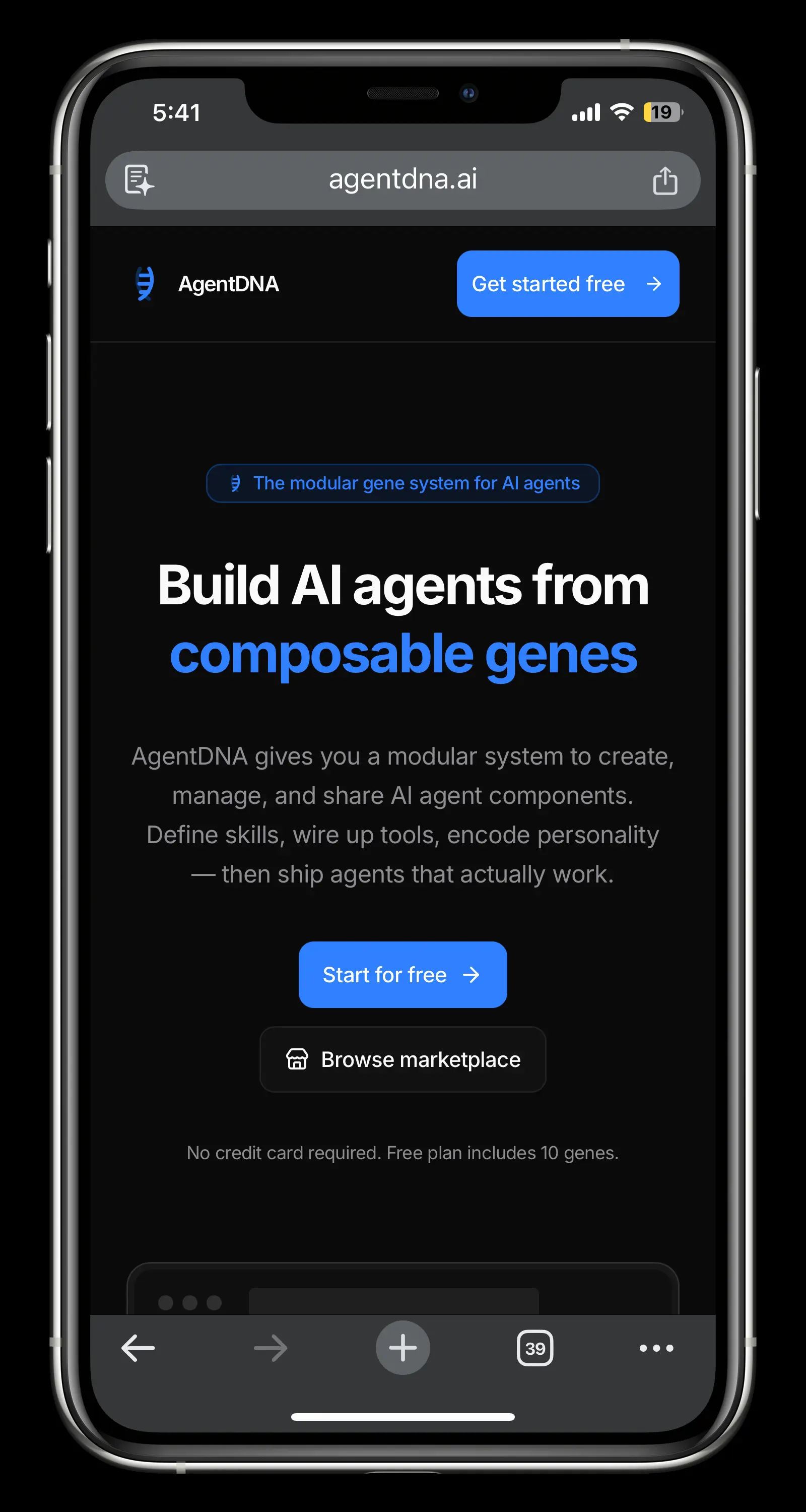
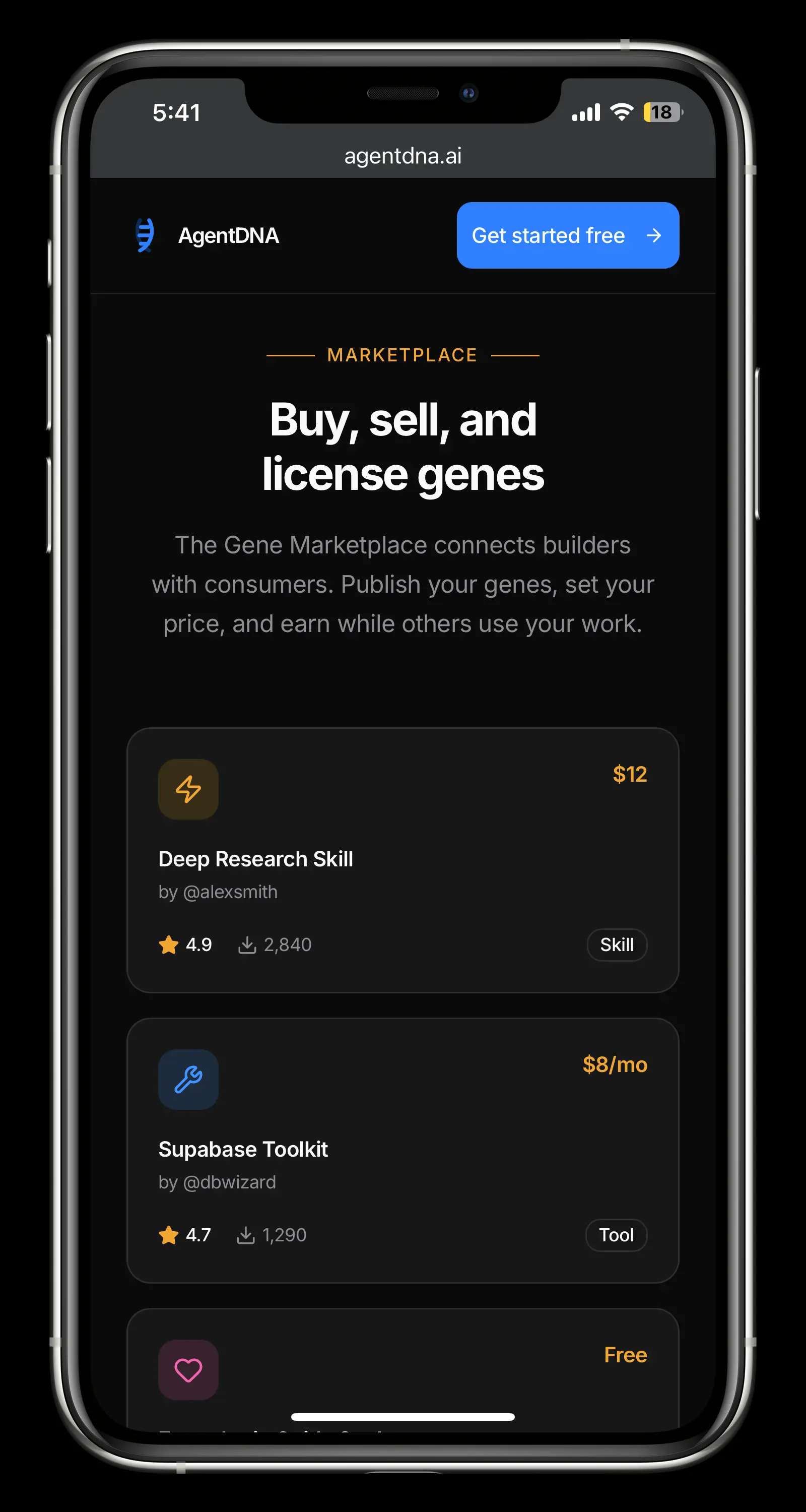
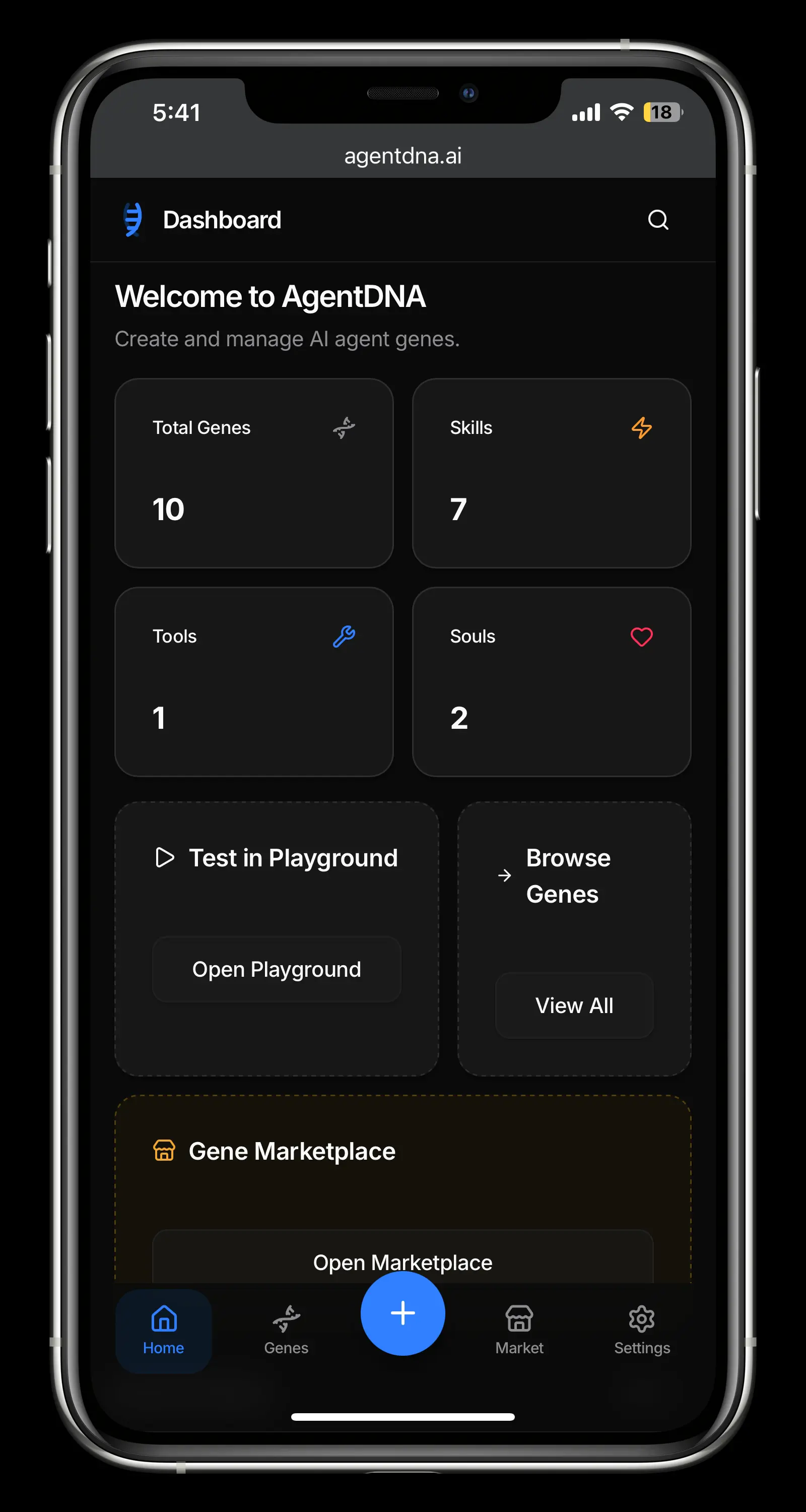
The problem isn't the models. It's the lack of infrastructure. You wouldn't run production code without source control, a CI/CD pipeline, and identity management. Yet most companies deploy agents with none of that. I've been looking at AgentDNA, which provides a registry, signed identity, and lifecycle management.
Identity is the Foundational Primitive
The core issue is that most AI agents have no persistent, verifiable identity. They are ephemeral processes. Without identity, you can't have security, you can't have an audit trail, and you can't have governance. You're just firing processes into the void.
AgentDNA anchors its entire system on this concept—giving every agent a unique, cryptographically-signed identifier. This isn't just a UUID. It's a verifiable credential that travels with the agent, attesting to its origin, version, and permissions. If you can't answer "What is this thing and am I allowed to trust it?", nothing else matters.
The Stack: A Pragmatic Breakdown
An identity is useless without a system to manage it. AgentDNA's stack provides the operational tooling required to make agent identity meaningful within a business process.
1. The Agent Registry: Your Control Plane
This is the component that resonates most with me as a builder. An agent registry is to AI agents what Docker Hub is to containers or Git is to source code. It's a centralized system to store, version, and manage access to your agents.
Without a registry, you have no single source of truth. You have different teams running different versions of agents from their local machines, with no visibility or control. The registry fixes this. It provides versioning, policy enforcement, and a complete audit trail. It's how you move from chaos to a governed ecosystem.
2. The Agent Gateway: The Hardened Perimeter
You don't allow production services to make arbitrary outbound calls to the internet, so letting autonomous agents do it is just malpractice. The Agent Gateway acts as a single, managed entry and exit point for all agent activity.
It's an API gateway, but built for agents. It's where you enforce runtime security policies, detect threats, and manage interactions with external tools & services. All traffic—in and out—is funneled through this chokepoint, giving you the visibility and control needed to operate securely. It turns a distributed security risk into a centralized, defensible position.
3. Lifecycle Management: Building for Production
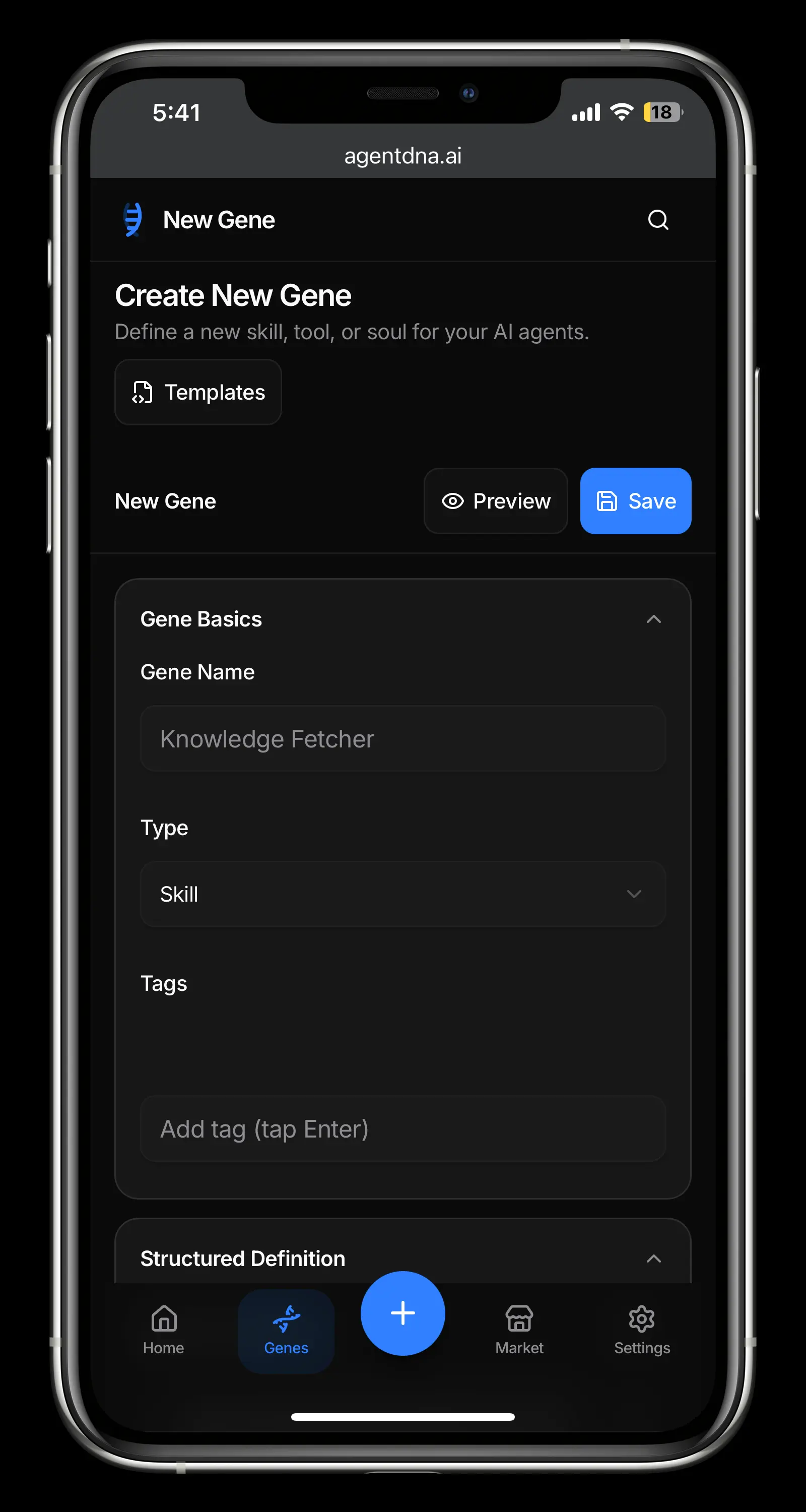
A Jupyter notebook is not a production system. The "build" part of the stack is about formalizing the development process. It provides the SDKs and CI/CD frameworks to integrate agent development into existing engineering workflows.
This is critical. It means moving agent creation out of the data science lab and into a proper software development lifecycle. You can build, test, version, and deploy agents with the same rigor you apply to your core applications. This includes observability—the logging, monitoring, and tracing required to understand what an agent is actually doing and how it's performing over time. This is how you build reliable systems instead of brittle prototypes.
This Isn't Just Another MLOps Tool
It's important to distinguish this from the MLOps platforms we've been using for years. MLOps is concerned with the model—training it, deploying it, monitoring its drift. The agentic stack operates a layer above that. It's concerned with the autonomous entity that uses the model to perform tasks.
An agent has state, permissions, and tools. It executes multi-step logic. Its behavior is emergent. Managing that requires a different set of tools focused on identity, security, and governance—not just model performance metrics. AgentDNA appears to have understood this distinction correctly.
Related reading on AI agent tooling:
- Building AI Agent Workflows — A practical guide to designing and orchestrating autonomous agents in production
- MCP: The AI Server Standard for High-Quality AI Responses — Understanding Model Context Protocol and how it complements agent infrastructure
- Private AI Stack Setup in Minutes — Setting up a self-hosted AI environment for enterprise deployments
- LLMs.txt for AI Agent Discovery — How to optimize your AI infrastructure for agentic access
We're past the point of being impressed by agent demos. The real work is in building the robust, secure, and manageable infrastructure to run them in production. That requires a dedicated stack. AgentDNA has laid out a logical blueprint for what a modern agentic stack looks like.